Jute Twine and Rope About
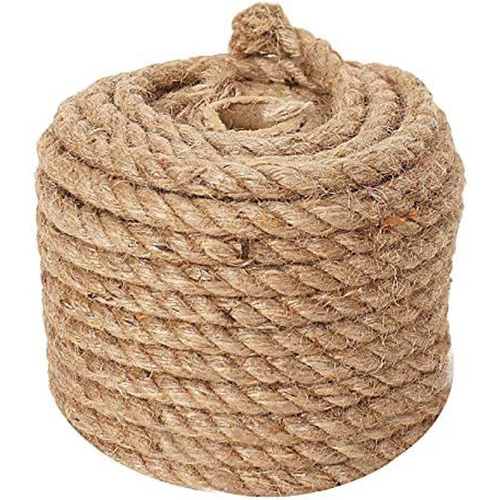
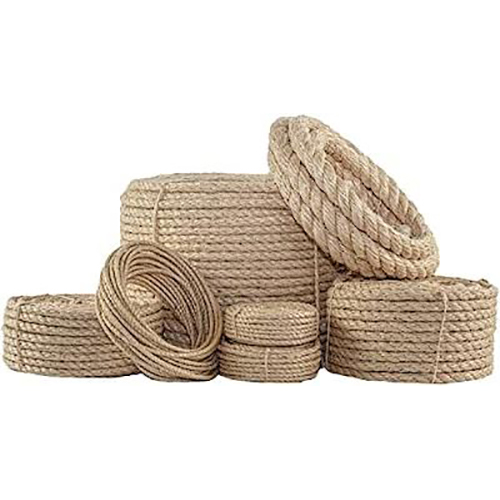
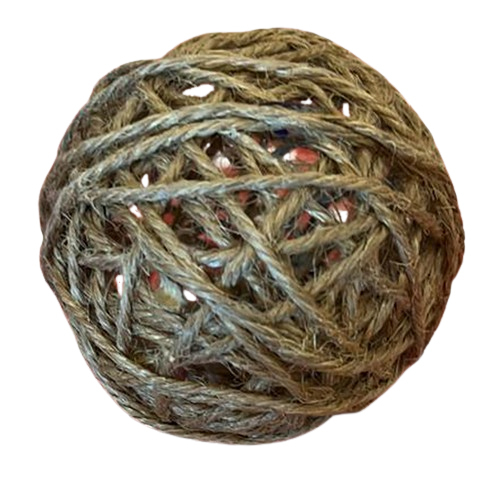
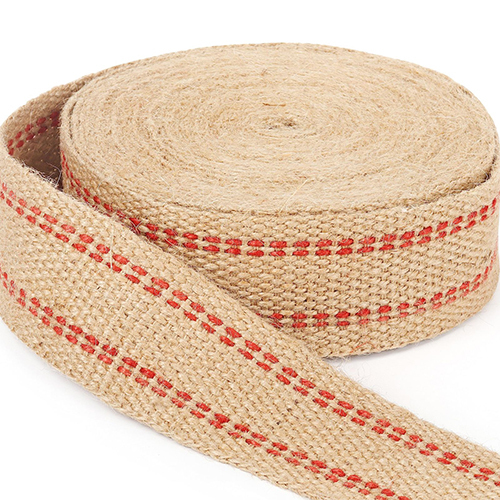
Jute twines and ropes which are also called as golden fibres, are suitable for a wide range of domestic and commercial applications. They are sturdy, biodegradable, and versatile natural fibers, known for their high tensile strength and rustic charm. Their natural texture and strength make them both functional and aesthetically pleasing across various industries.
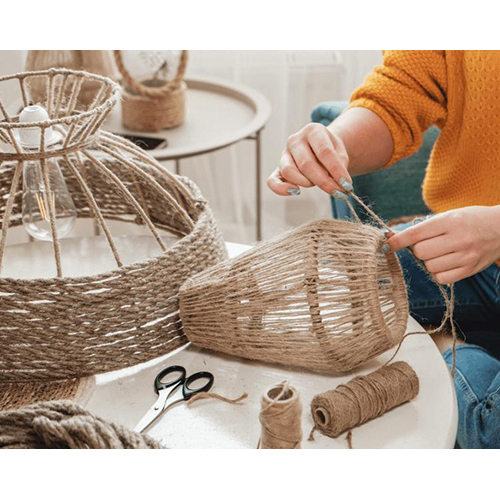
Its uses are as follows:
- Strings to craft
- Crafts
- DIY
- Gardening
- Binding
- Interior decoration
- Made in decoration
- Horse riding
- Masonry
- Suspension
- Luminaire
- Fashion accessories
- Macrame
- Construction sites
They come in different sizes and strengths.
Eco-Friendly Construction and SustainabilityOur jute twine and rope is crafted from 100% natural jute fiber, making it a recyclable and compostable alternative to synthetic ropes. Its biodegradability reduces environmental impact, and responsible sourcing further enhances its green profile. With a natural brown color and unwaxed surface, it's an excellent choice for eco-conscious consumers across industries.
Reliable Strength and AdaptabilityKnown for high tensile strength (up to 350 kg), this jute rope supports a wide range of bundling tasks. Available in diameters from 1 mm to 30 mm and various ply options, it can be tailored in length and style to meet specific needs, from lightweight crafting to heavy-duty industrial binding.
Markets and ApplicationsJute twine and rope is widely used in packaging, gardening, DIY crafts, agriculture, and industry. Its moderate water absorption and UV resistance make it suitable for both indoor and outdoor assignments, provided it's stored in a dry, cool place to avoid rot. Customized packaging and size/dimension options enable seamless integration into different operations.
FAQ's of Jute Twine and Rope:
Q: How should jute twine and rope be stored to maintain its quality?
A: Jute twine and rope should be stored in a dry, cool environment away from moisture to prevent rotting and maintain its strength. Excess humidity or direct exposure to water can compromise its natural fibers.
Q: What customization options are available for jute twine and rope?
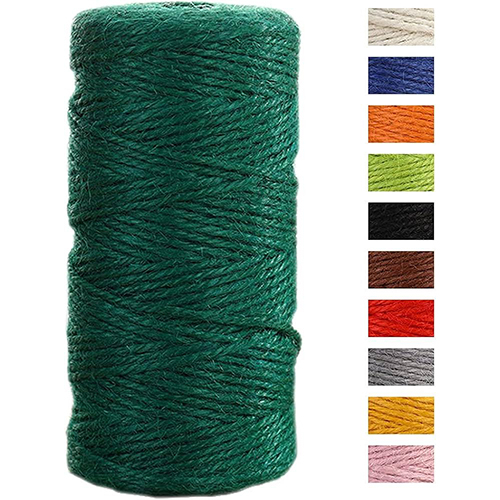
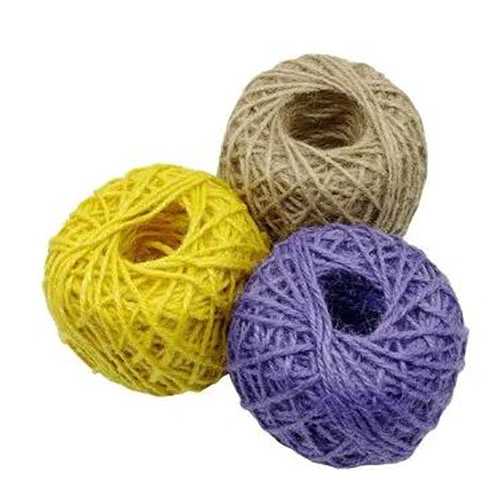
A: Customization includes the choice of diameter (ranging from 1 mm to 30 mm), number of plies, length, and packaging type (coils, spools, hanks, bales). You can also select between twisted and braided styles as per your requirements.
Q: When is jute twine an ideal choice over synthetic alternatives?
A: Jute twine is preferred when eco-friendliness, biodegradability, and compostability are priorities. For applications such as packaging, gardening, crafts, and agricultural bundling where moderate water and UV resistance suffice, it is an excellent natural alternative.
Q: Where is jute twine and rope commonly used?
A: Jute twine and rope are widely used in packaging, gardening, agriculture, crafts, and various industrial settings due to their strength, flexibility, and natural appearance.
Q: What are the main benefits of using natural, unwaxed jute rope?
A: The primary benefits include eco-friendly disposal, strong tensile properties, customizable size, and suitability for diverse tasks. The unwaxed, natural finish also allows for better grip and knotting in multiple applications.
Q: How is jute rope manufactured and finished?
A: Jute fibers are twisted or braided into desired ply and diameter, then processed into coils, spools, hanks, or bales. The product is left unwaxed for a natural texture and color, supporting applications that require direct fiber contact.





 Send Inquiry


 Send Inquiry